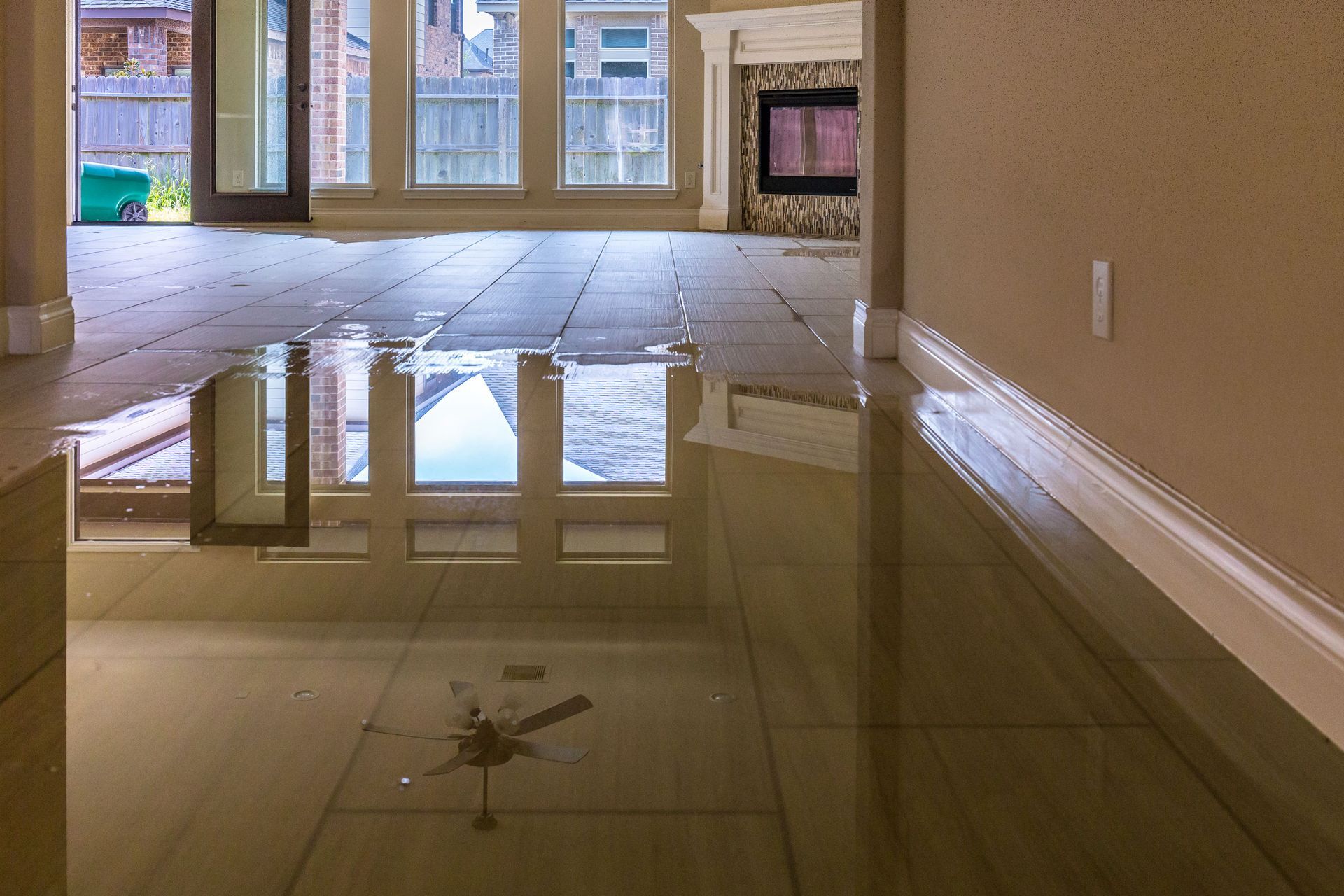
Learn how acting quickly and working with an experienced water damage contractor is essential for effective restoration and long-term protection of your home.
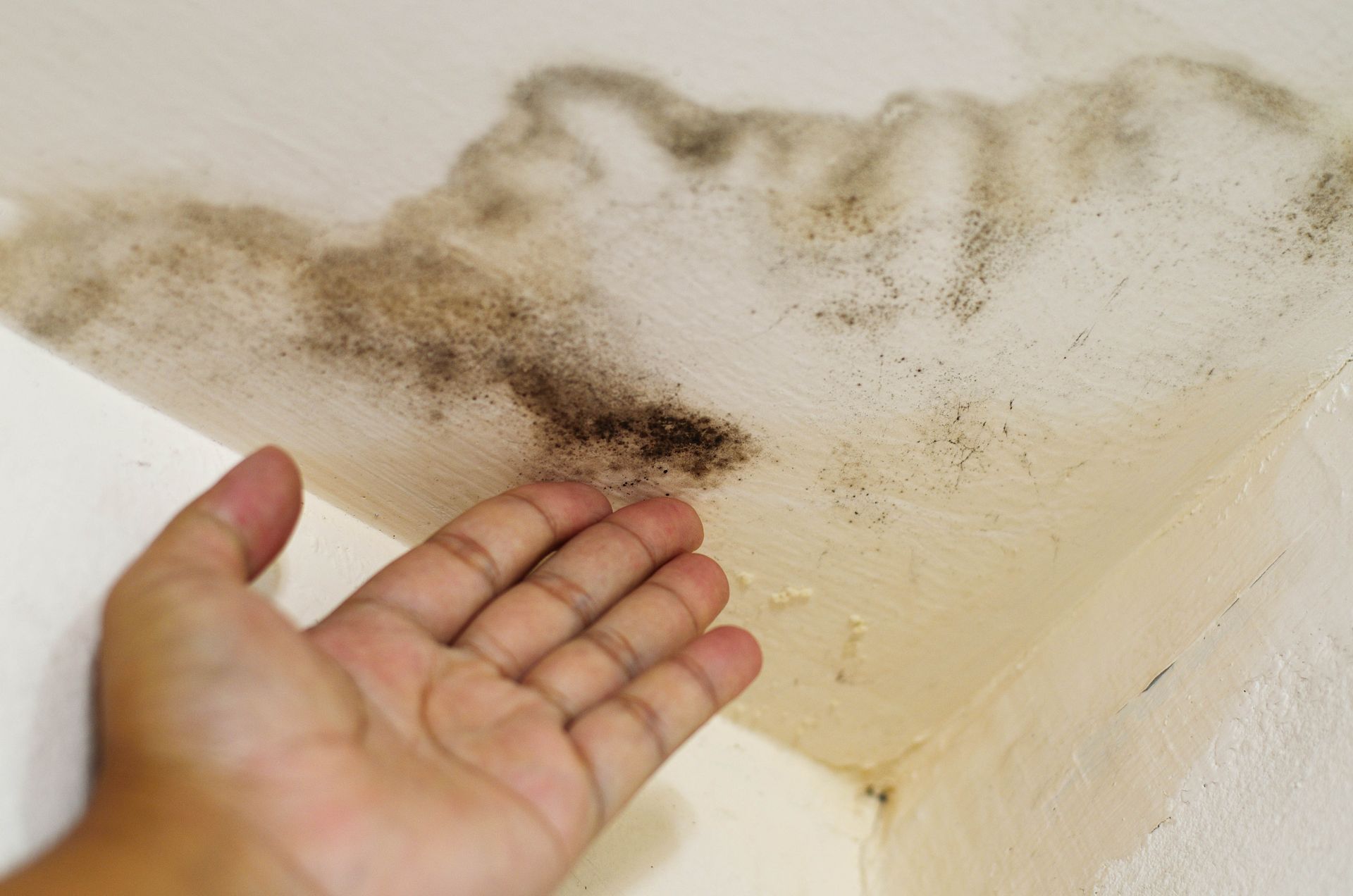
Understanding what happens during professional water damage clean ups can help you feel more prepared and confident if you ever face this situation.
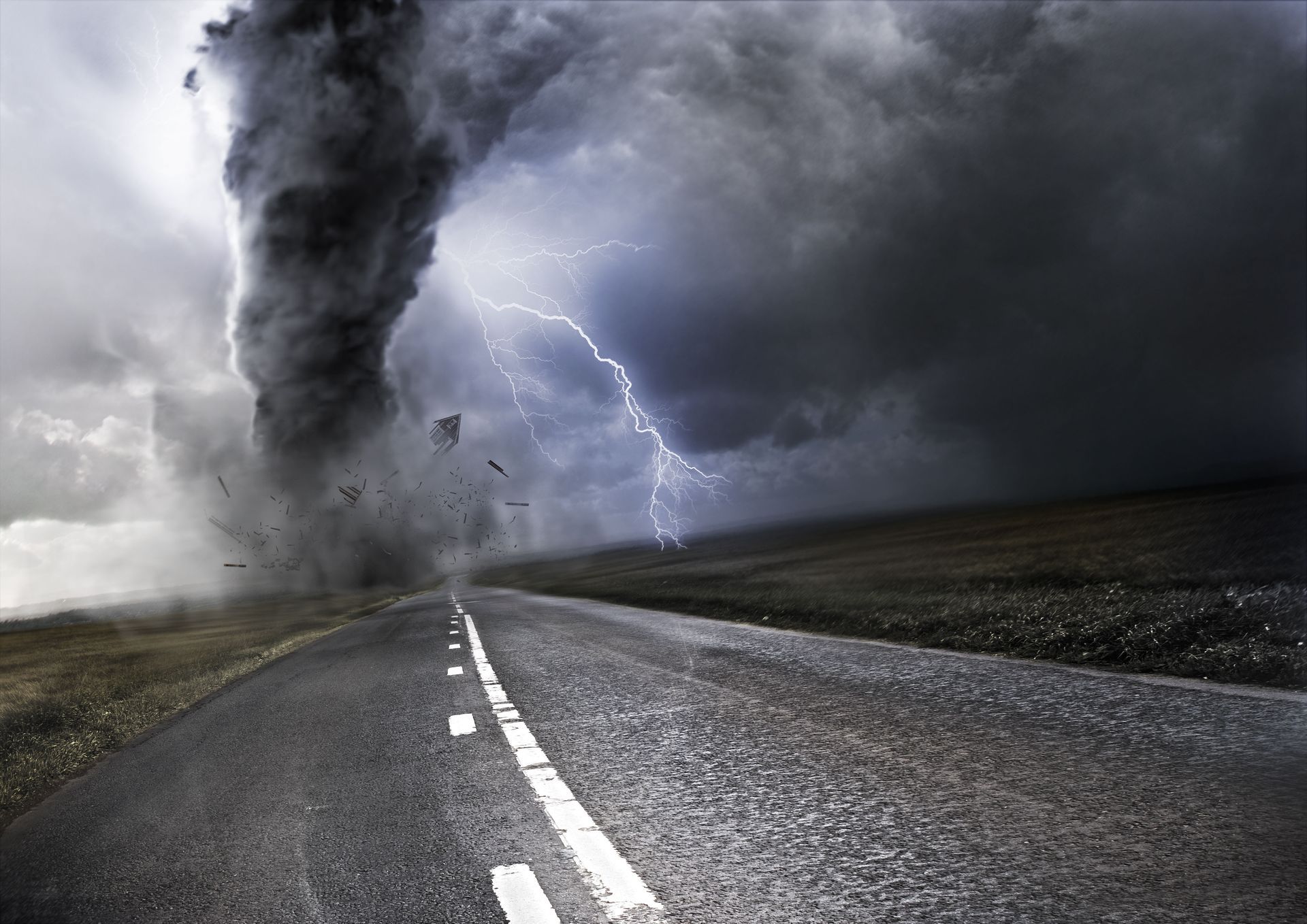
Natural disasters are unavoidable and often happen when you least expect them. But what you can control is how you recover from these disasters. Homeowner’s insurance brings peace of mind during these emergencies and can help cover your losses when lightning (or another natural disaster) strikes. To help you prepare for those inevitable storms, it’s important to know just exactly what kind of disasters your insurance covers. Keep reading to learn more! Know Your Insurance Homeowner’s insurance protects you financially against covered damages to your home and personal belongings. There are several policy types offered for home insurance. While no policy covers all natural disasters, some will cover more than others. Depending on where you live, certain disaster coverage may not apply, which is why it’s important to find the right policy for your home. Common policies range from HO-1 to HO-8, with HO-1 being the most basic. Do your research, then make the best decision for you! What’s Covered? Before you assume your home is covered, double check your insurance policy or consult your insurance agent to make sure. While every policy has its own add-ons or exclusions, here are some natural disasters many insurance policies cover. Tornadoes & Hurricanes Tornadoes are fairly common in Minnesota and can be extremely destructive. If your home is involved in a tornado, it will likely cause damage to your personal property due to the strong winds, hail, and strong chance of fallen debris. Most homeowner insurance policies will cover you financially for these damages, but depending on where you live, your policy may require separate deductibles for wind or hail. The damages from a tornado can also include floods. Flood damage is not covered under any standard homeowners insurance policies, so purchasing an additional policy would be required to protect your home from these damages. Like tornadoes, damages caused by hurricanes are usually covered. These damages are typically limited to those caused by winds or fallen debris, and not flood damage. Fire If fire causes damage to your home or property, most policies will cover that damage. Restrictions aren’t common in regards to fire, but can be made in areas where wildfires are more likely to occur, or if the fire was set intentionally. This is something to take into account in Minnesota, where wildfires can be common. Extreme Cold Extreme cold isn’t unusual in Minnesota, where winters can be harsh and freezing. If a pipe bursts due to cold weather, the damages that water causes will most likely be protected. Damages from the weight of snow or ice will usually be covered as well. If snowmelt or the pipe bursting results in a flood, the flood damages will not be protected by insurance. Lightning Lightning strikes can cause many types of damage. Fire, explosions, or power surges can all be a result of lightning striking your home. Most homeowner’s insurance will cover these damages, even if the lightning doesn’t strike your home directly. For example, if lightning strikes a tree next to your home and the tree falls causing damage, your insurance will most likely cover it. Volcanoes For many people, this natural disaster doesn’t apply to their property at all. But for those who live in close proximity to a volcano, this is something they have to think about. A volcanic eruption causes ash, dust, and lava flow. Insurance will usually cover damages from these, but may not cover damages from shockwaves or earthquakes without additional policies. What Isn’t Covered? While many natural disasters are covered by your insurance policy, there are a few that aren’t. These natural disasters can be protected by purchasing additional policies, but aren’t included in the basic insurance. These are some natural disasters that won’t be protected. Earthquakes More than half of the states in the U.S. are at risk of earthquakes and the damage they cause. While they aren’t covered in any insurance policy, you can purchase an earthquake specific policy. This may be a good idea if you live close to a fault line. Floods Flooding from rain, burst pipes, or similar problems isn’t covered in your usual basic homeowner’s insurance policy. The cost of additional flood insurance varies based on where you live and how common flooding is in that area.Floods are quite common in Minnesota, so an additional policy would most likely be useful. Coverage costs range from $600 to even more than $1,200 per year. Tsunamis Tsunamis are giant waves that are typically created by an earthquake or volcanic eruption deep in the ocean. These disasters travel inland, damaging homes and various buildings. Flooding is a major result of tsunamis, and like stated above, aren’t covered by insurance. If you live near the coast, consider purchasing additional flooding coverage to protect your property. And, despite what you may think, our local Lake Superior does, in fact, experience its own form of tsunamis (called meteotsunamis ). Rapid Restoration is Here to Help! Each policy is different and coverage varies. While most insurance policies will cover these natural disasters, it’s important to talk to your insurance company to make sure. Find out about your coverage before the disaster strikes so you can be prepared! No matter what the natural disaster is, you have the disaster recovery experts at Rapid Restoration on your side. We offer 24/7 emergency cleanup services so when disasters happen, cleanup is a breeze. Contact us for fast and efficient restoration! We are here to help!